
Why New Roof Installations Require an Expert Roofing Company
A new roof is one of the most important investments homeowners make in maintaining and protecting their properties. A properly installed roofing system safeguards the structure from weather damage, improves energy efficiency, and contributes to long-term property value. Because roofing involves several interconnected components and technical requirements, working with experienced professionals is essential for achieving dependable results.
Understanding Roofing System Components
A roofing system consists of several components that work together to protect a home. Rafters provide structural support, underlayment creates an additional moisture barrier, and shingles or other roofing materials provide exterior protection. Flashing seals vulnerable areas around chimneys, vents, and roof edges to help prevent water intrusion. Each component must be installed correctly to ensure the entire system performs as intended.
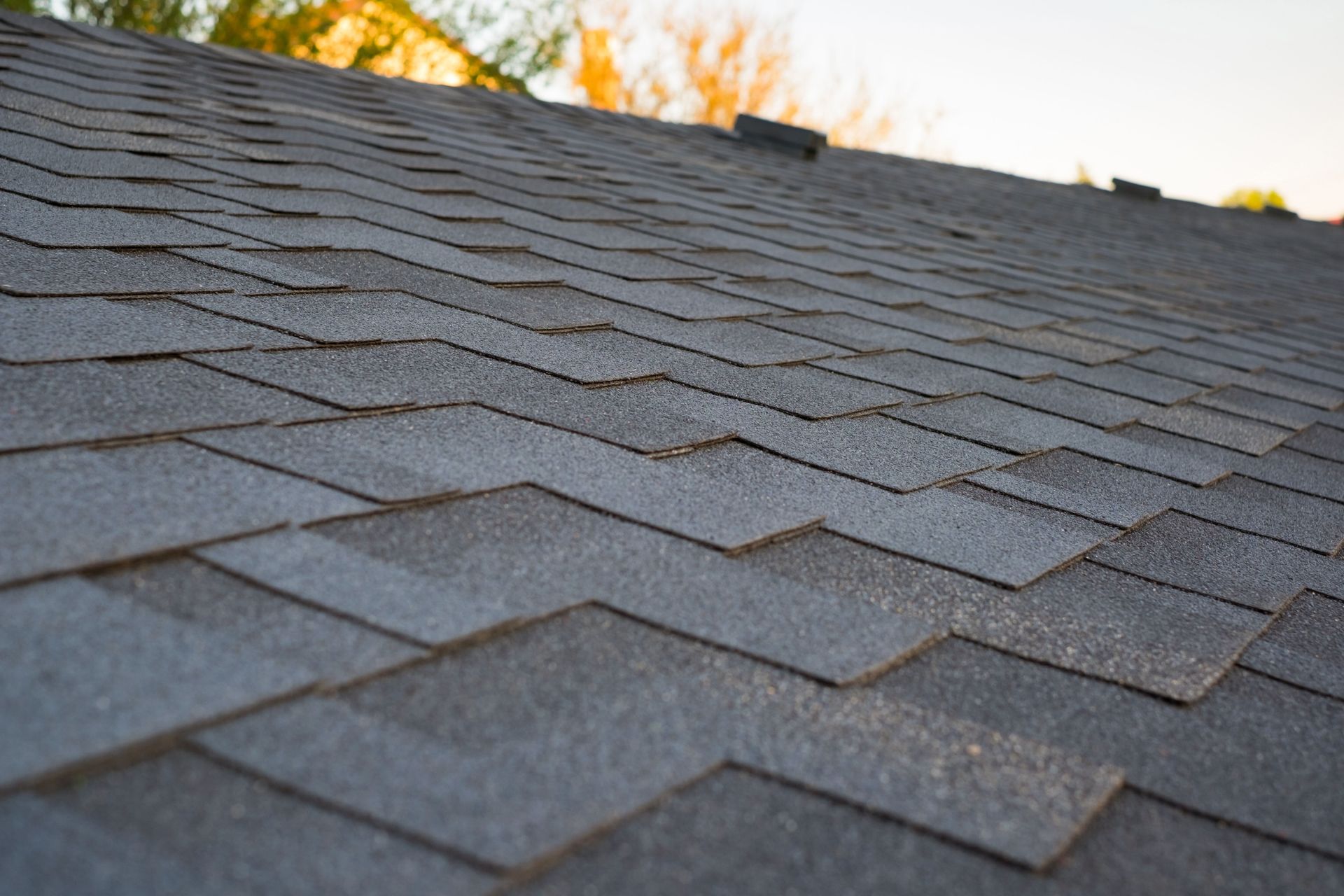
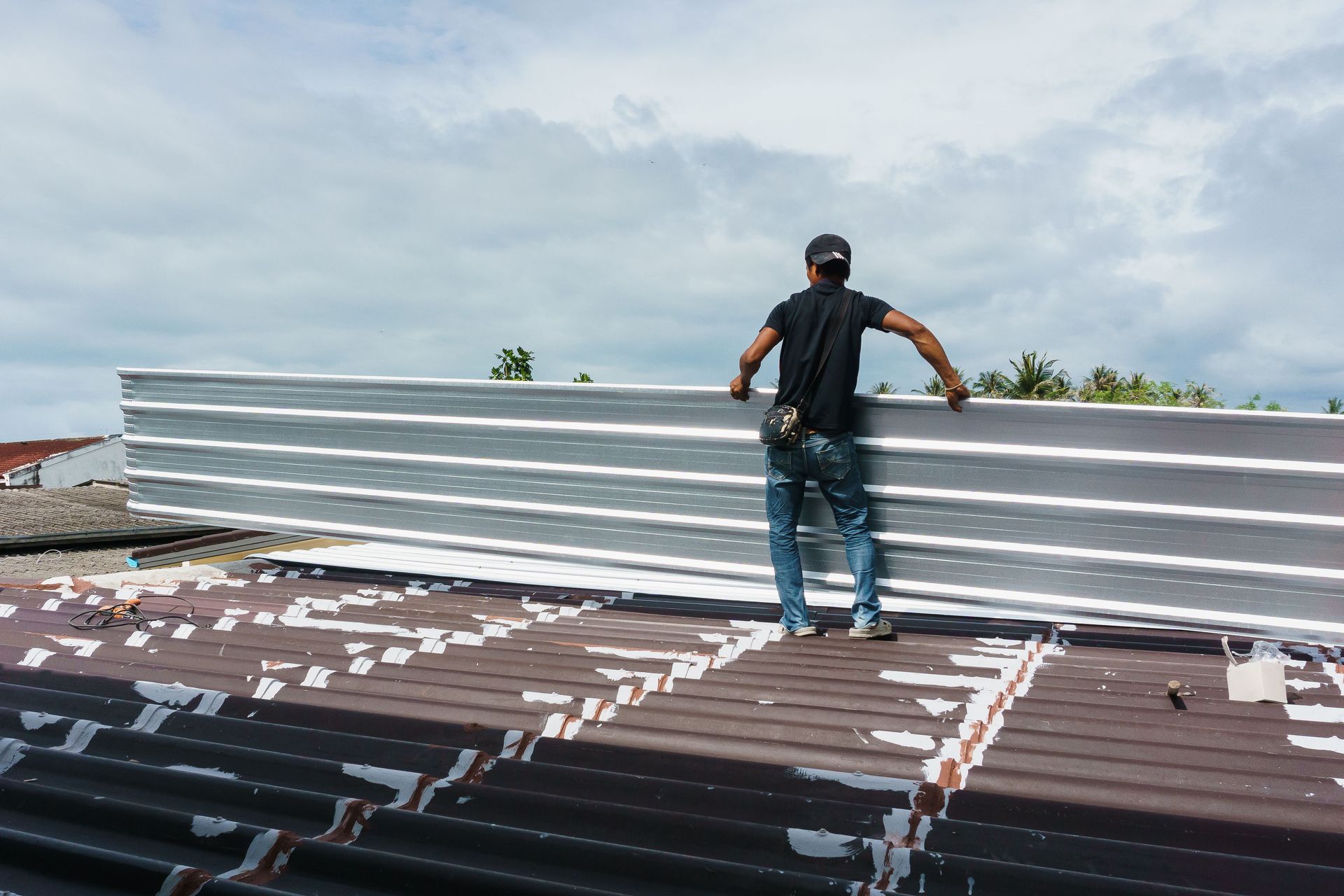
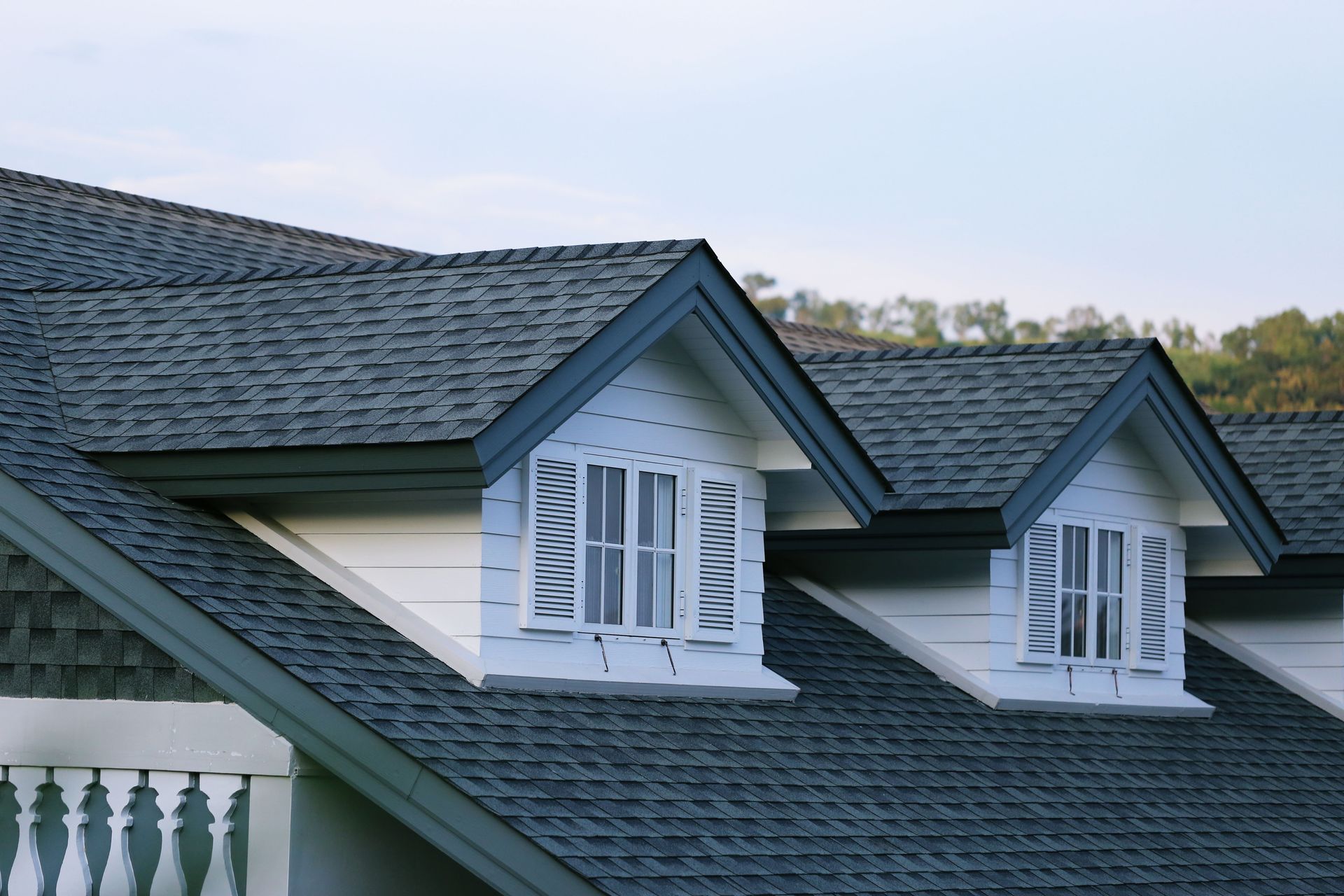
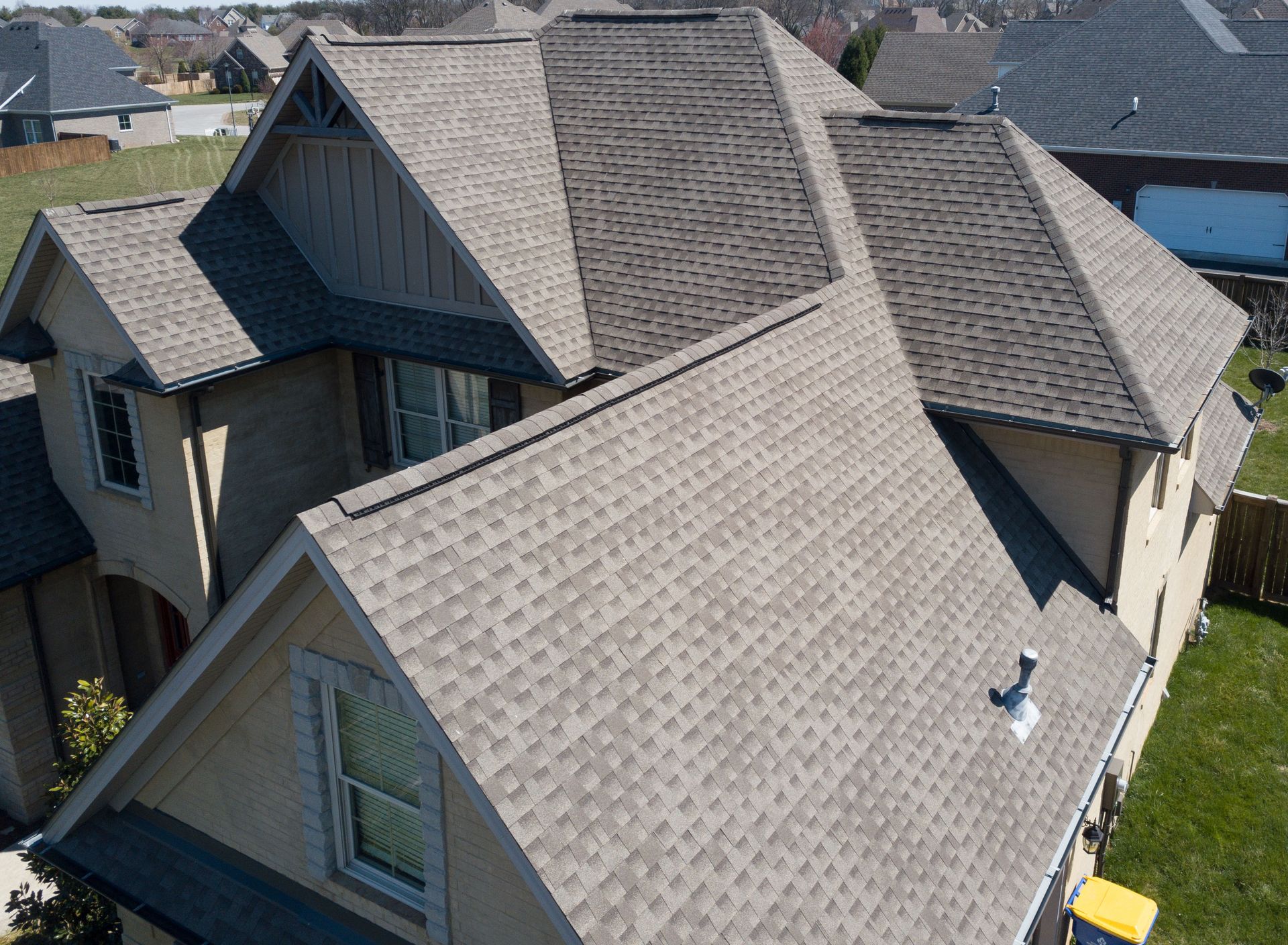
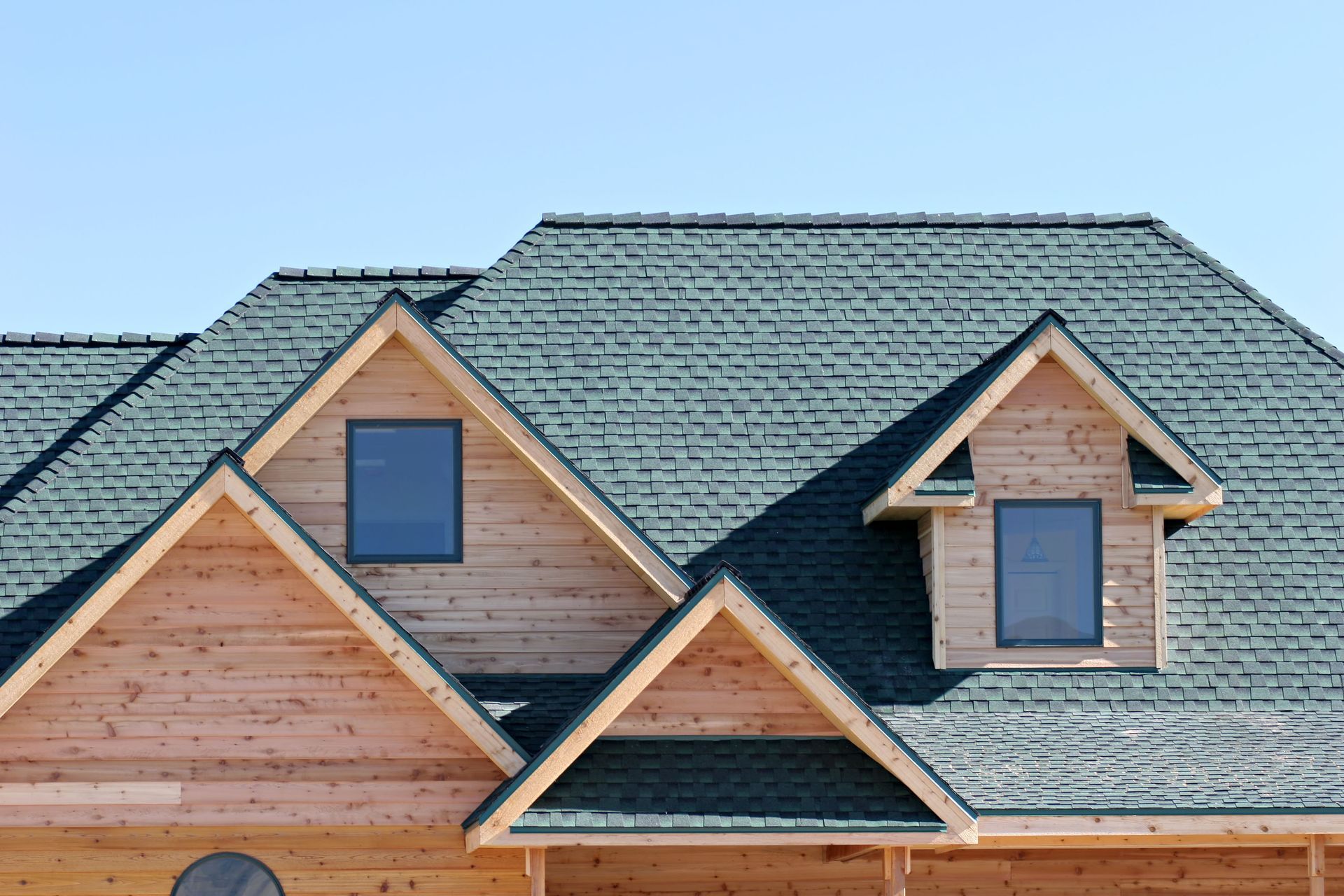
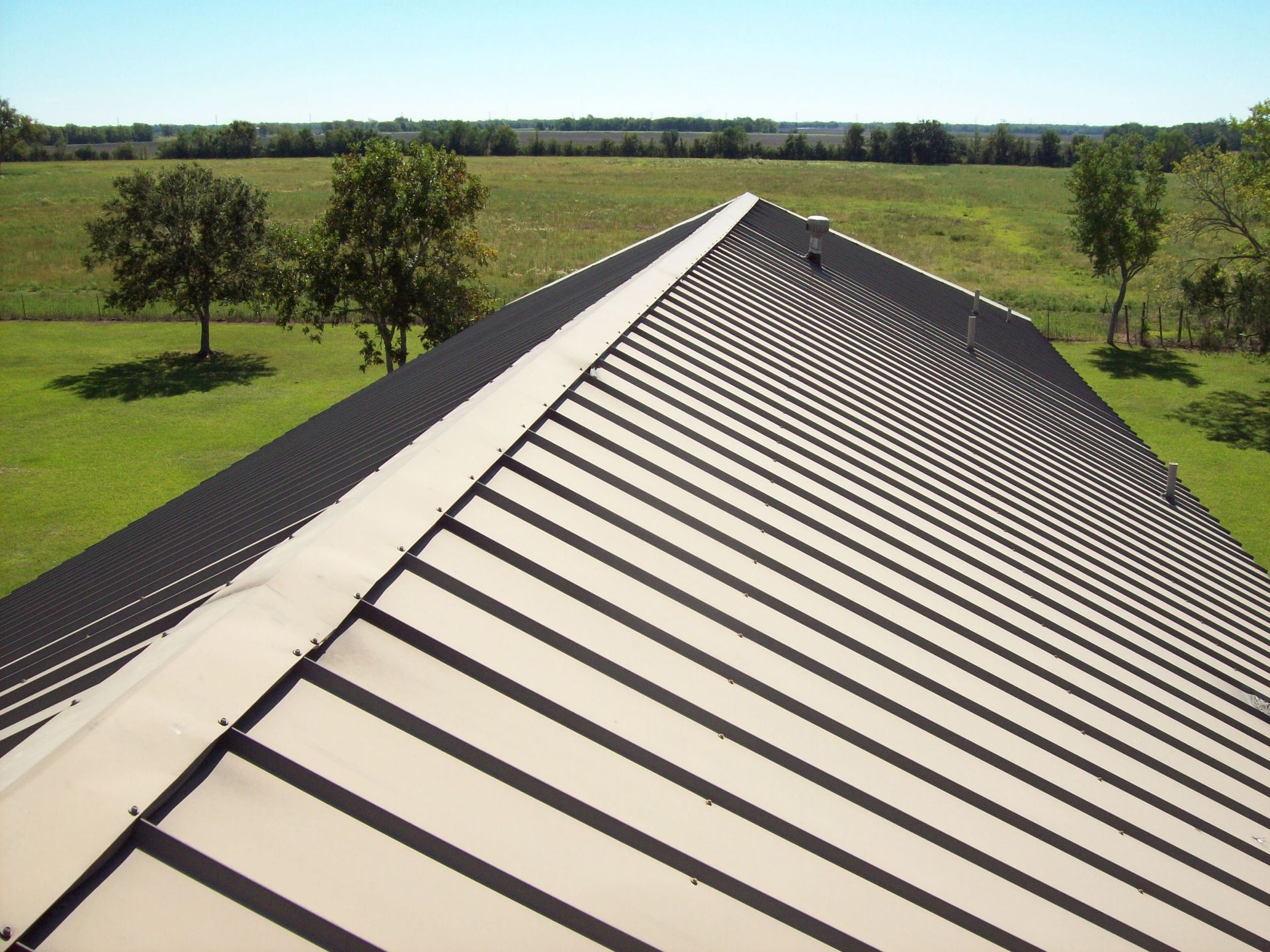
Different roofing materials also require specialized installation knowledge. Asphalt shingles are popular for their affordability and versatility, while metal roofing offers durability and energy efficiency. Tile roofs provide distinctive appearances and long service lives, but their weight and installation requirements demand careful planning. Flat roofing systems require particular attention to drainage and waterproofing to prevent standing water and leaks.
Climate conditions also influence roofing decisions. Homes in areas with heavy rainfall need effective moisture protection, while properties exposed to intense sunlight may benefit from reflective roofing materials. Regions that experience snow and strong winds require materials and structural designs capable of handling additional environmental stress. An experienced roofing company can evaluate these conditions and recommend an appropriate roofing system.
Understanding Professional Installation Benefits
Professional roofers begin by evaluating the property's existing structure, identifying potential concerns, and determining which materials are appropriate for the project. They consider the roof's design, local climate, ventilation requirements, and the homeowner's budget before recommending an installation approach. This assessment helps prevent problems that could otherwise affect the roof's performance.
Material quality and installation techniques are equally important. Professional contractors understand manufacturer specifications and know how to install roofing components according to industry standards. They can also recommend products that balance durability, appearance, and long-term maintenance requirements. Working with a qualified roofing company helps homeowners avoid installation problems that could lead to premature deterioration.
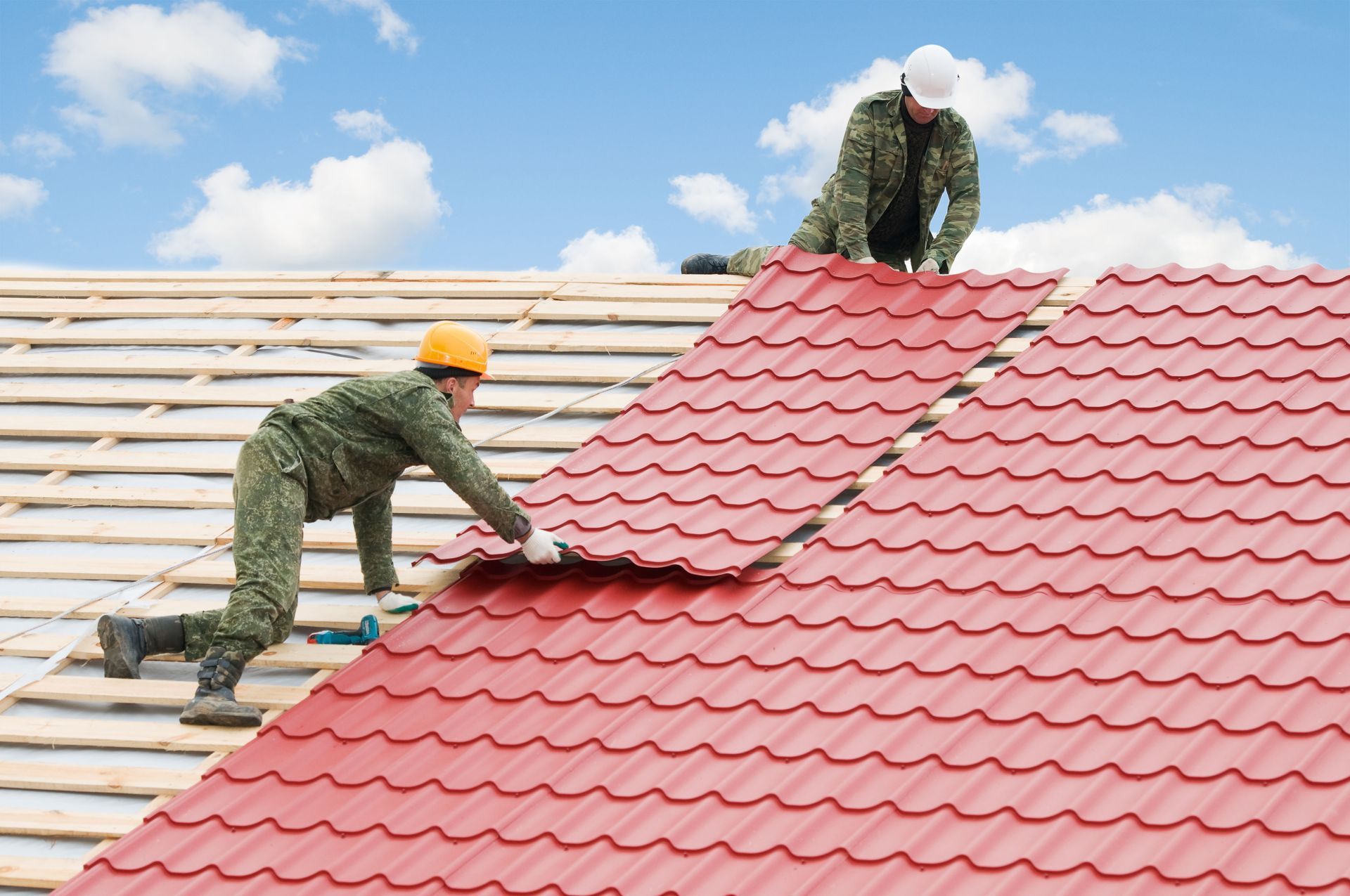
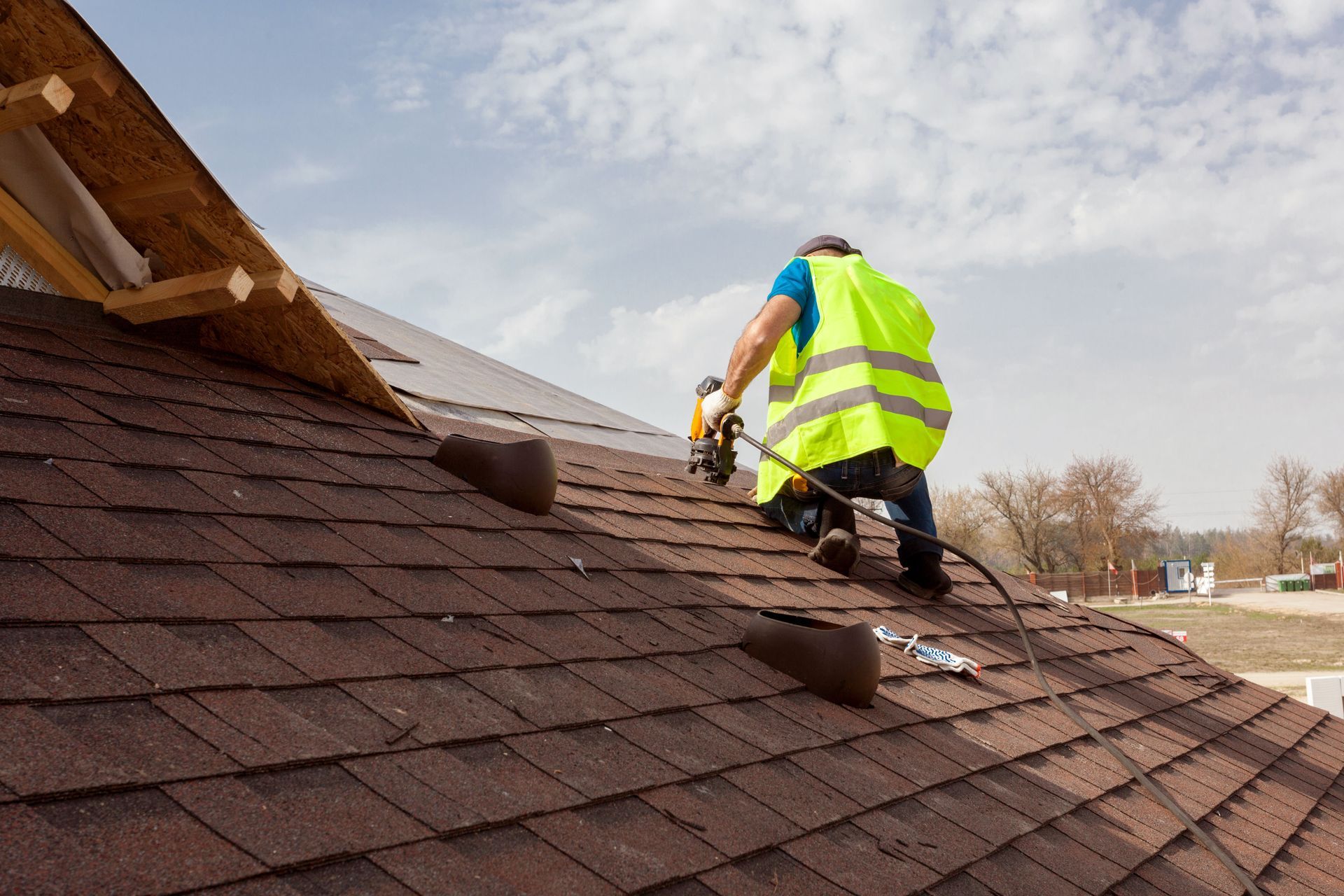
Safety is another major consideration during roofing projects. Installing a roof involves working at significant heights, handling heavy materials, and operating specialized equipment. Professional crews receive training and follow established safety procedures to reduce the risk of accidents and property damage. Their experience also helps projects progress efficiently without compromising workmanship.
Many professional installations include warranties covering materials and workmanship. These protections can provide financial reassurance if qualifying defects or installation problems develop after the project is completed. Homeowners should review warranty terms carefully and understand which responsibilities belong to the manufacturer and contractor. A reputable roofing company can explain available coverage before work begins.
Understanding Roofing Skills and Regulations
Roofing professionals develop their skills through training, certifications, and hands-on experience. Their knowledge helps them recognize structural concerns, select compatible materials, and follow appropriate installation procedures. Experienced contractors also understand how different roofing products respond to changing temperatures, moisture, and wind exposure.
Building codes and local regulations are additional considerations during new installations. Requirements may address structural support, fire resistance, ventilation, insulation, and other safety standards. Contractors familiar with local regulations can help ensure the project meets applicable requirements and passes necessary inspections. This attention to compliance protects homeowners from avoidable complications.
Modern roofing technology has also expanded the options available to property owners. Reflective shingles, improved waterproofing membranes, energy-efficient materials, and solar-compatible roofing systems offer additional performance benefits. An established roofing company can explain which innovations are appropriate for a particular property. Professional recommendations help homeowners make informed decisions without paying for features that do not suit their needs.
Protecting Roofing Investment Value
Although installation costs are an important consideration, homeowners should also evaluate the long-term value of their roofing investment. Lower-quality materials or improper installation can result in leaks, premature deterioration, and expensive repairs. Choosing appropriate materials and qualified installers helps reduce the likelihood of these problems.
According to RubyHome, an estimated 5 million roofs are installed each year. With so many roofing projects taking place, consistent installation quality remains essential for protecting residential properties. Professional contractors understand how to coordinate materials, labor, and installation procedures to achieve dependable results.
Regular professional inspections can also help extend a roof's service life. Roofing specialists can identify damaged shingles, deteriorating flashing, ventilation concerns, and signs of moisture intrusion before these issues become more extensive. Addressing problems early helps preserve the roofing system and protect the structure beneath it. Many contractors offer maintenance services that allow homeowners to monitor their roofs over time.
A new roof can also improve a property's appearance and marketability. Prospective buyers often consider roof age, visible condition, and installation quality when evaluating a home. Durable materials, professional workmanship, and transferable warranties may strengthen buyer confidence. Investing in a quality installation can therefore provide benefits beyond immediate weather protection.
Selecting a Qualified Roofing Contractor
Selecting the right contractor requires more than comparing prices. Homeowners should research local companies, review customer feedback, and ask for recommendations from people who have completed similar projects. Consistent positive reviews and a history of completed installations can provide useful insight into a contractor's reliability.
It is also helpful to examine examples of previous work. Portfolios and project references allow homeowners to evaluate craftsmanship, material choices, and experience with different roofing styles. Asking about similar projects can help determine whether a contractor has the knowledge necessary for a particular installation.
Detailed estimates should explain the expected labor, materials, project timeline, and additional costs. Comparing these details makes it easier to understand what each contractor includes in the proposed price. Homeowners should also ask about payment schedules, cleanup procedures, and how unexpected project complications will be handled.
Before signing an agreement, verify that the contractor maintains appropriate licensing and insurance for the work being performed. Liability coverage and workers' compensation protections can help reduce potential financial exposure during the project. Confirming these credentials is an important step when choosing a roofing company.
Communication should also play a major role in the selection process. Contractors should be willing to explain their recommendations, answer questions, and provide updates throughout the installation. Clear expectations help prevent misunderstandings and make the project easier to manage from beginning to end.
Preparing for Future Roofing Improvements
Roofing technology and material options continue to evolve, giving homeowners more opportunities to improve their properties. Newer products may offer better resistance to weather exposure, improved energy performance, and longer expected service lives. Professional guidance can help determine whether these options provide meaningful advantages for a specific home.
Energy efficiency is another important consideration. Proper ventilation and insulation help regulate indoor temperatures and reduce unnecessary strain on heating and cooling systems. Certain roofing materials can also reflect more sunlight, potentially reducing heat absorption during warmer months. A knowledgeable contractor can evaluate these factors as part of the overall installation plan.
Environmental considerations may influence material selection as well. Metal roofing and other recyclable products can support sustainability goals, while reflective roofing systems may help reduce energy consumption. Homeowners interested in these features should discuss available options with their contractor before finalizing material selections.
Planning for future improvements is equally valuable. Homeowners considering solar panels, additional roof structures, or other property upgrades should discuss those possibilities during the initial installation. Coordinating these considerations early can help prevent unnecessary modifications later. A qualified roofing company can recommend an installation approach that accounts for both current requirements and potential future needs.
Choosing Professional Roofing Services
A new roof provides essential protection, but its performance depends on appropriate materials, careful planning, and professional installation. Experienced contractors understand the technical requirements involved and can help homeowners avoid problems that affect durability, safety, and energy efficiency. Taking time to evaluate contractors, compare estimates, and review warranties makes it easier to choose a dependable installation partner.
When planning a roofing project, homeowners should work with a professional roofing company that prioritizes quality workmanship, clear communication, and reliable service. Joe Campbell Roofing Inc can help property owners navigate their roofing needs and make informed decisions about their investments. Contact Joe Campbell Roofing Inc today to discuss your upcoming project and learn more about professional roofing solutions designed to protect your home for years to come.
Share On: