
How to Spot a Roof Leak Before It Causes Damage
A roof leak may seem like a minor inconvenience at first, but even a small amount of water intrusion can lead to significant problems if left unaddressed. Water that enters through a damaged roof can affect insulation, drywall, ceilings, flooring, and even the structural components of a home. The longer a leak goes unnoticed, the more extensive and expensive the repairs can become.
Because roof leaks often begin subtly, homeowners who know what warning signs to look for have a much better chance of preventing major damage. Regular inspections and prompt action can help preserve the life of a roof and protect the rest of the property. Working with a local roofing company can also make it easier to identify and resolve issues before they escalate into costly repairs. In this article, we will discuss how to spot a roof leak before it causes significant damage to your home.
Watch for Water Stains on Ceilings and Walls
One of the earliest and most recognizable signs of a roof leak is the appearance of water stains on ceilings or walls. These stains often appear as yellow, brown, or copper-colored discolorations and may gradually grow larger over time.
Many homeowners mistakenly assume that the stain is directly below the source of the leak. In reality, water can travel along rafters, insulation, and other building materials before becoming visible inside the home. This means the actual leak could be several feet away from where the stain appears.
If you notice new discoloration on ceilings or walls, it is important to investigate promptly. A local roofing company can perform a thorough inspection to identify the source of the problem and recommend appropriate repairs before additional damage occurs.
Check the Attic for Signs of Moisture
The attic often provides valuable clues about the condition of a roofing system. Even if there are no visible signs of water damage inside the living areas of the home, moisture may already be accumulating in the attic.
Homeowners should periodically inspect their attic for damp insulation, water stains on rafters, mold growth, or signs of condensation. Sunlight shining through gaps in the roof structure can also indicate areas where water may enter during rainstorms.
A musty odor in the attic may suggest ongoing moisture problems that have gone unnoticed for an extended period. Because attic conditions can reveal developing roofing issues early, routine inspections are an effective way to catch leaks before they spread throughout the home.
Look for Missing or Damaged Shingles
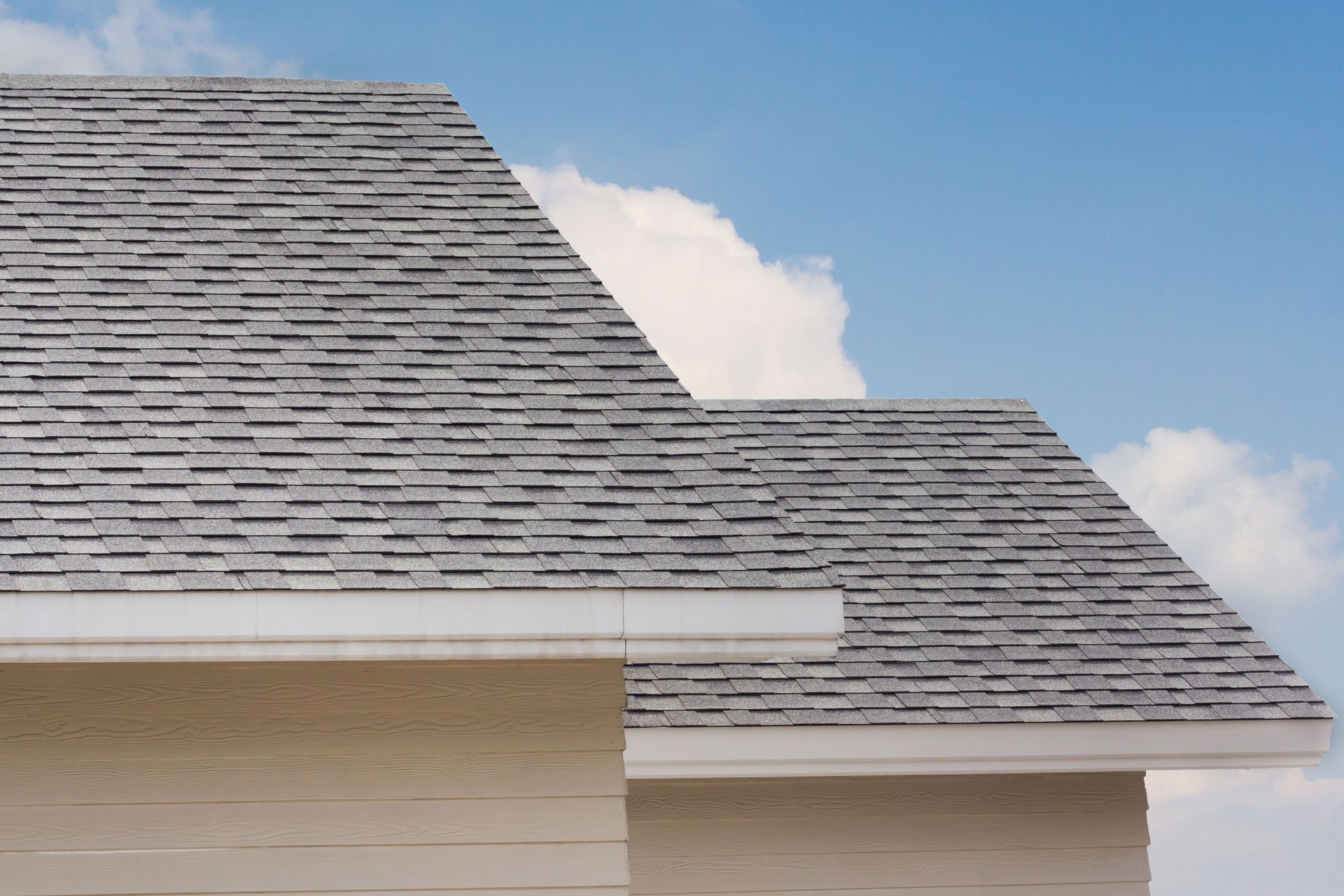
The roof's shingles serve as a critical barrier against rain, snow, and other environmental elements. When shingles become cracked, curled, loose, or completely missing, water can more easily penetrate the roofing system.
After periods of severe weather, homeowners should visually inspect their roofs from the ground. Strong winds, hail, and falling branches can all damage shingles and create vulnerable areas where leaks may develop.
While some damage may be obvious, other problems can be difficult to detect without professional expertise. Scheduling an inspection with a local roofing company after major storms can help identify hidden issues before they result in water intrusion.
Pay Attention to Mold and Mildew Growth
Excess moisture from a roof leak often creates ideal conditions for mold and mildew growth. While mold can develop for various reasons, unexplained growth on ceilings, walls, or attic surfaces may indicate water entering through the roof.
Mold may appear as black, green, gray, or white patches and is frequently accompanied by a persistent musty smell. Beyond property damage, mold can also affect indoor air quality and contribute to health concerns for occupants.
If mold appears near upper levels of the home or around attic spaces, it may be worth having the roof evaluated. A local roofing company can determine whether a roofing issue is contributing to the moisture problem and help prevent further damage.
Examine Roof Flashing and Roof Penetrations
Many roof leaks originate around areas where the roofing surface is interrupted. Chimneys, skylights, vents, plumbing stacks, and exhaust pipes all require flashing materials to create watertight seals.
Over time, flashing can deteriorate, crack, separate, or become displaced due to weather exposure and normal aging. When these protective barriers fail, water may enter around the openings and find its way into the home.
Homeowners should pay attention to signs of rusted metal flashing, loose sealants, or visible gaps around roof penetrations. Regular inspections can help identify vulnerable areas before leaks become severe.
Monitor Changes After Heavy Rainfall
Rainstorms often reveal roofing problems that may not be apparent during dry weather. After significant rainfall, homeowners should take a few moments to inspect ceilings, attic spaces, and upper-level walls for signs of moisture.
Dripping water, damp spots, or new stains should never be ignored, even if they disappear once conditions dry out. Temporary moisture can indicate an active leak that will likely worsen with future storms.
Keeping a record of when symptoms appear can also help roofing professionals diagnose the issue more efficiently. A qualified local roofing company can use this information to trace the source of the leak and recommend targeted repairs.
Notice Unusual Increases in Energy Bills
Many people do not associate rising energy costs with roofing problems, but roof leaks can affect insulation performance. When insulation becomes wet, it loses much of its ability to regulate indoor temperatures effectively.
As a result, heating and cooling systems may work harder to maintain comfortable conditions inside the home. Unexpected increases in utility bills, especially when combined with other warning signs, may suggest moisture intrusion within the roofing system.
In some cases, homeowners may notice certain rooms becoming more difficult to heat during the winter or cool during the summer. These temperature inconsistencies can occur when moisture compromises insulation and allows conditioned air to escape more easily. While higher energy bills can have many causes, it is worth considering the condition of the roof if the increase seems unusual or occurs alongside signs of water damage.
Understand the Impact of Roof Age
The age of a roof can significantly influence its likelihood of developing leaks. Roofing materials naturally deteriorate over time due to exposure to sunlight, temperature fluctuations, moisture, and weather events.
According to Roofer's Guild, a typical roof lasts between 25 and 50 years. As roofing materials approach the end of their expected lifespan, they become more vulnerable to cracking, deterioration, and water intrusion.
Homeowners with older roofs should schedule inspections more frequently to identify developing issues before they become major problems. Partnering with a local roofing company can help determine whether repairs are sufficient or whether replacement should be considered.
Spotting a roof leak early can save homeowners from costly repairs, structural damage, mold growth, and unnecessary stress. By paying attention to water stains, attic moisture, damaged shingles, mold growth, flashing deterioration, and other warning signs, homeowners can address problems before they become severe.
Regular maintenance and timely inspections play an important role in preserving the integrity of a roofing system. Since many leaks begin with subtle symptoms, staying proactive is often the best defense against extensive damage. Working with a local roofing company can help ensure that potential issues are identified and resolved quickly, protecting both the roof and the home beneath it. If you suspect a roof leak or want peace of mind about your roof's condition, contact Joe Campbell Roofing Inc today to schedule a professional inspection and protect your investment for years to come.

Share On: