
How a Metal Roofing Company Maximizes Roof Lifespan
Metal roofs have earned widespread acclaim across commercial and residential sectors for durability, energy efficiency, and weather resilience. While conventional asphalt structures frequently suffer from thermal cracking, granular loss, and wind uplift, properly fabricated metal panels deliver decades of reliable shelter. However, purchasing premium materials alone does not guarantee a roofing system will reach its maximum lifespan. The true longevity of an installation depends on the precision, craftsmanship, and ongoing care delivered by experienced specialists. Engaging a skilled metal roofing company ensures that every component—from underlayment selection to fastener tension—is calibrated to resist premature deterioration and protect your investment.
Selecting Premium Metal Materials
The foundation of roof longevity begins with selecting the appropriate raw alloy. Metal roofing encompasses diverse materials, primarily including galvanized steel, galvalume, aluminum, copper, and architectural zinc. Galvanized and galvalume steel provide superior tensile strength and impact resistance, making them ideal for regions subject to severe hail or falling branches. In contrast, copper and zinc undergo natural oxidation that forms an impenetrable patina. This self-healing surface shields the substrate against corrosion for generations. When property owners collaborate with an experienced roofing specialist, they receive tailored guidance on which metal composition aligns best with their budget, structural load limits, and life-cycle expectations.
Evaluating Regional Environmental Conditions
Material performance is deeply intertwined with local climate conditions and microclimates. Coastal settings with airborne salinity demand materials like aluminum or marine-grade coated steel that resist salt-fog corrosion. Conversely, continental climates with severe temperature swings require profiles capable of handling thermal movement without popping fasteners or buckling seams. A knowledgeable metal roofing company evaluates wind ratings, annual precipitation, snow loads, and ambient humidity before recommending a specific profile. While standard asphalt shingles rapidly deteriorate under persistent solar radiation, metal systems elevate durability. According to RubyHome, an average roof lasts between 20 and 50 years depending on the type of roof and material quality. Selecting the proper gauge and alloy tailored to regional stressors ensures your system hits the maximum threshold of that range.
Balancing Architectural Aesthetics and Functional Demands
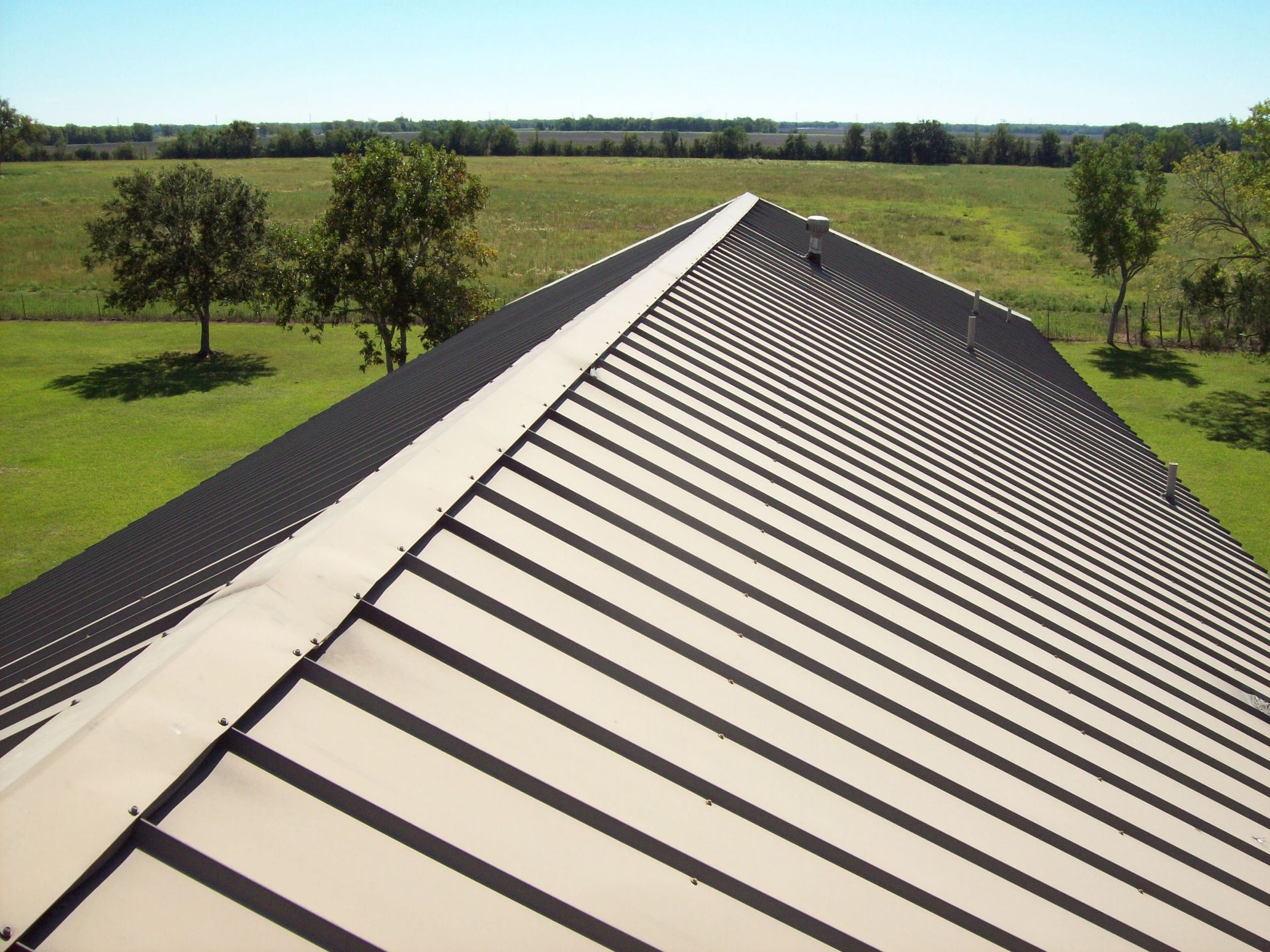
Modern roofing projects must harmonize exterior visual appeal with dependable physical performance. Architectural profiles range from contemporary standing-seam panels with concealed fasteners to stamped metal shingles that emulate natural slate, wood shakes, or Spanish tile. A reputable roofing specialist works closely with leading paint and substrate manufacturers to source factory-applied finishes that retain vibrancy without peeling or chalking. Utilizing high-performance resin systems, such as polyvinylidene fluoride (PVDF), ensures the roof deflects harsh solar rays while maintaining crisp visual cohesion with surrounding exterior siding, stone accents, and trim profiles. This harmony of form and function elevates curb appeal while reinforcing exterior defense.
Deploying Certified Installation Technicians
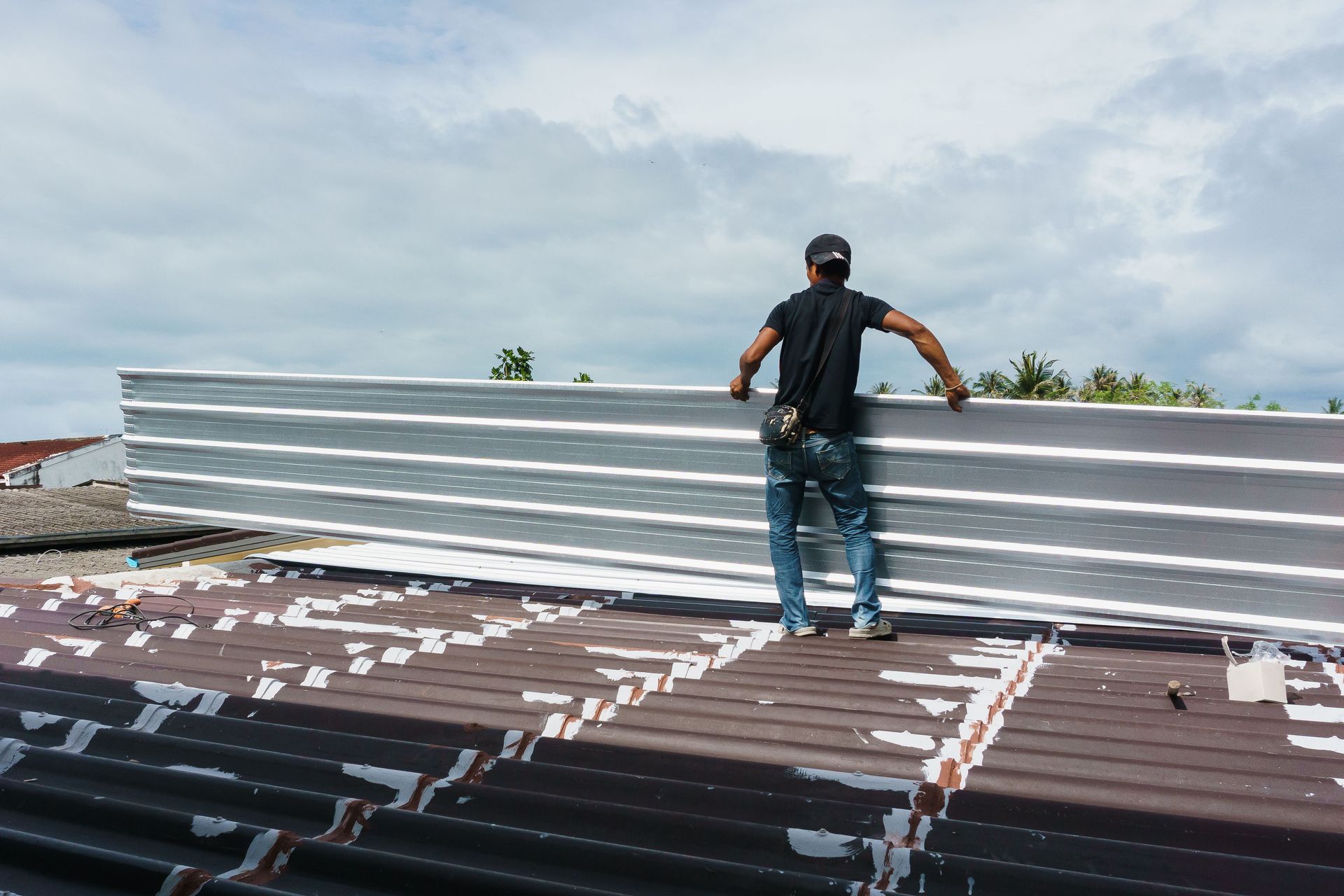
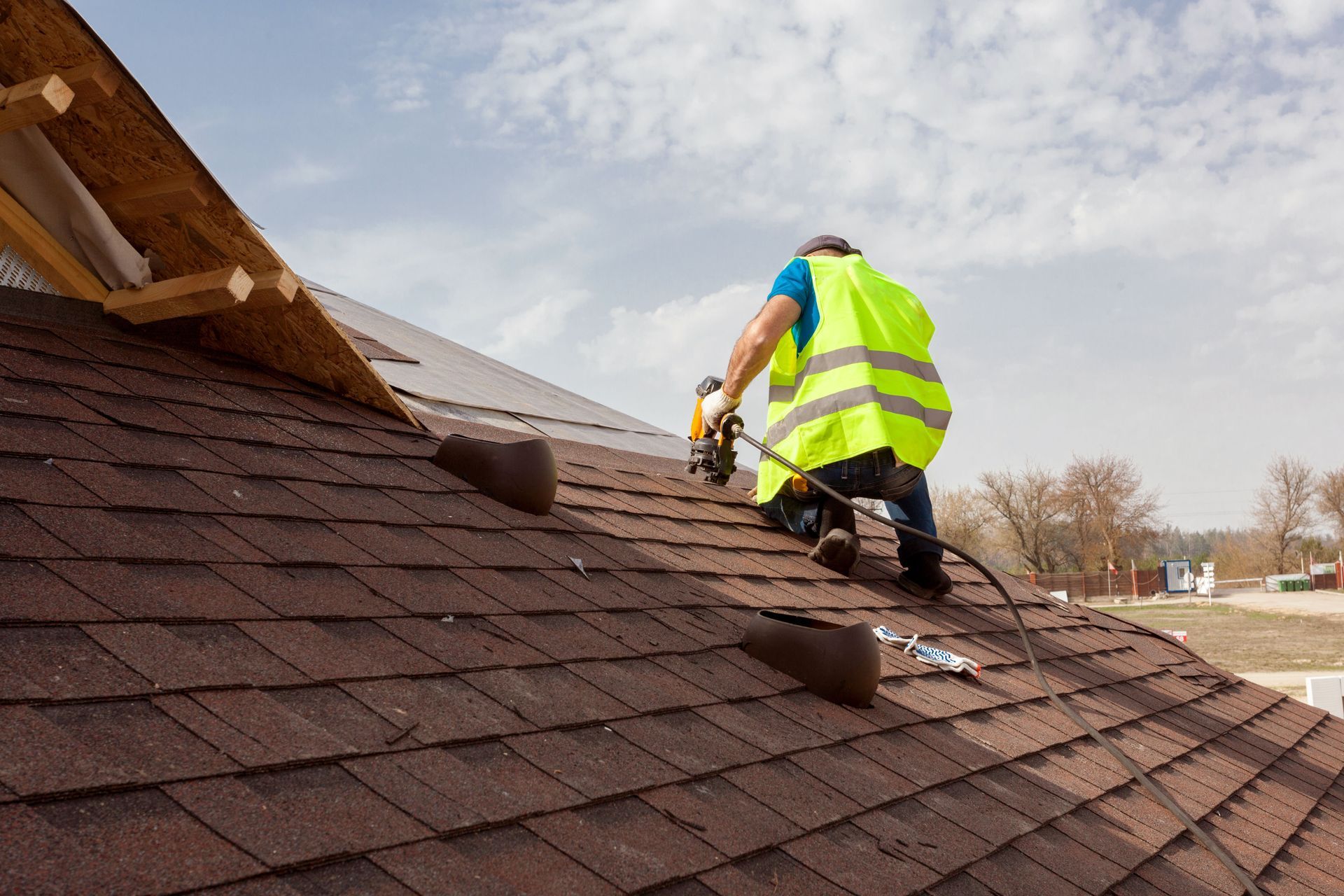
Even the most resilient metal panels will fail prematurely if improperly installed. Certified installation professionals undergo extensive field apprenticeships and factory training programs to master the nuances of sheet metal fabrication and assembly. They understand how thermal expansion coefficients affect panel movement, allowing panels to glide over clips without stressing structural joints. When property owners enlist a certified metal roofing company, they eliminate critical errors common among general handymen, such as over-torqued screws, stripped washer gaskets, misaligned clip spacing, or cross-threaded fasteners. Skilled technicians execute each phase with exact adherence to engineering specifications and manufacturer warranties.
Utilizing Advanced Precision Technologies
Precision during fabrication and field installation directly dictates how well a roof withstands structural fatigue. Today, an innovative sheet metal fabricator relies on laser-guided measuring devices, digital leveling tools, and computer-controlled roll-forming machines to craft seamless standing-seam panels on-site. Roll-forming panels directly at the job site eliminates factory shipping damage, reduces transit handling, and allows continuous single-length panels that span the entire roof slope without transverse overlaps. Digital calibration tools also evaluate the underlying roof deck for planar irregularities, ensuring that minor framing unevenness does not translate into panel distortion, oil canning, or stress concentrations.
Executing Meticulous Seaming and Ventilation Protocols
Water intrusion and internal moisture accumulation represent primary threats to building envelopes. Professional roofing crews pay meticulous attention to mechanical seaming, weather-tight flashings, and integrated ventilation channels. Mechanical seaming tools crimp adjacent panel ribs together with double-lock profiles, creating an impenetrable physical barrier against driven rain, pooling ice dams, and severe wind uplift. Simultaneously, crews integrate balanced ridge vents, soffit intake pathways, and vapor-permeable underlayment membranes beneath the panels. Proper under-roof airflow exhausts excess attic heat and prevents moisture condensation against the roof deck underside, safeguarding structural timbers against rot over decades of seasonal shifts.
Scheduling Proactive Maintenance Inspections
Preventative maintenance represents a cost-effective method to secure maximum lifespan from a metal system. Rather than waiting for water stains to appear on interior ceilings, building owners benefit from scheduled seasonal assessments that detect minor vulnerabilities early. An established metal roofing company designs customized inspection schedules based on roof age, building orientation, slope gradient, and regional storm activity. Routine maintenance involves examining neoprene fastener washers for UV embrittlement, checking perimeter counter-flashings around chimneys and skylights, and clearing collected organic debris from valleys and gutters. Routine cleaning prevents accumulated leaf litter from trapping moisture, maintaining smooth hydrological drainage across the entire panel surface.
Applying Specialized Protective Coatings
Protective surface treatments and sealants form the front-line shield against weathering and chemical degradation. While factory coatings provide robust baseline defense, field-applied elastomeric and fluoropolymer coatings rejuvenate aging roofs and reinforce exposed seams. A dedicated metal roofing company applies these advanced formulations to seal fastener heads, reinforce transitions, and reflect ultraviolet radiation. High-albedo cool-roof coatings dramatically lower panel surface temperatures during summer months, mitigating the thermal cycling that causes fastener loosening and fatigue. In industrial or coastal zones, anti-corrosive barrier primers seal microscopic surface abrasions before oxidation can compromise the structural steel core.
Incorporating Modern Aerial Drone Diagnostics
Technological innovations have transformed roof diagnostics from hazardous manual climbs into detailed digital assessments. High-resolution camera drones capture aerial imagery of steep-pitch sections, transition flashings, and high-elevation parapets without damaging panel finishes or risking crew safety. Thermal imaging sensors mounted on drones detect sub-surface moisture beneath the metal panels, locating trapped condensation or insulation wetness that would remain invisible during standard walk-throughs. By partnering with a forward-thinking metal roofing company, clients receive comprehensive photographic reports and data-driven condition assessments, allowing targeted repairs to be executed precisely where needed without costly guesswork or unnecessary panel replacements.
Empowering Property Owners Through Education
The longevity of a roofing asset improves significantly when property owners understand how their building systems interact with the environment. Reputable contractors supply comprehensive documentation detailing warranty terms, safe cleaning protocols, and warning signs of developing issues. They caution owners against walking across delicate panel ribs with inappropriate footwear, using abrasive chemicals for moss removal, or installing incompatible rooftop accessories like copper air-conditioning lines directly against galvanized panels. By cultivating open lines of communication, the contractor empowers clients to practice responsible stewardship, ensuring the installation performs flawlessly throughout its expected service life.
Securing Lasting Structural Value
Maximizing the operational lifespan of a metal roof requires combining superior raw materials, specialized architectural fabrication, flawless mechanical assembly, and disciplined preventative maintenance. Cutting-edge roll-forming technology, aerial thermal diagnostics, and customized protective treatments turn modern metal roofs into durable structural assets. Working with a dedicated metal roofing company provides peace of mind that every joint, fastener, and flashing profile is engineered to endure harsh weather cycles for generations. If you want to protect your property with superior craftsmanship and materials built to last for generations, contact Joe Campbell Roofing Inc today to schedule your comprehensive roof evaluation.

Share On: